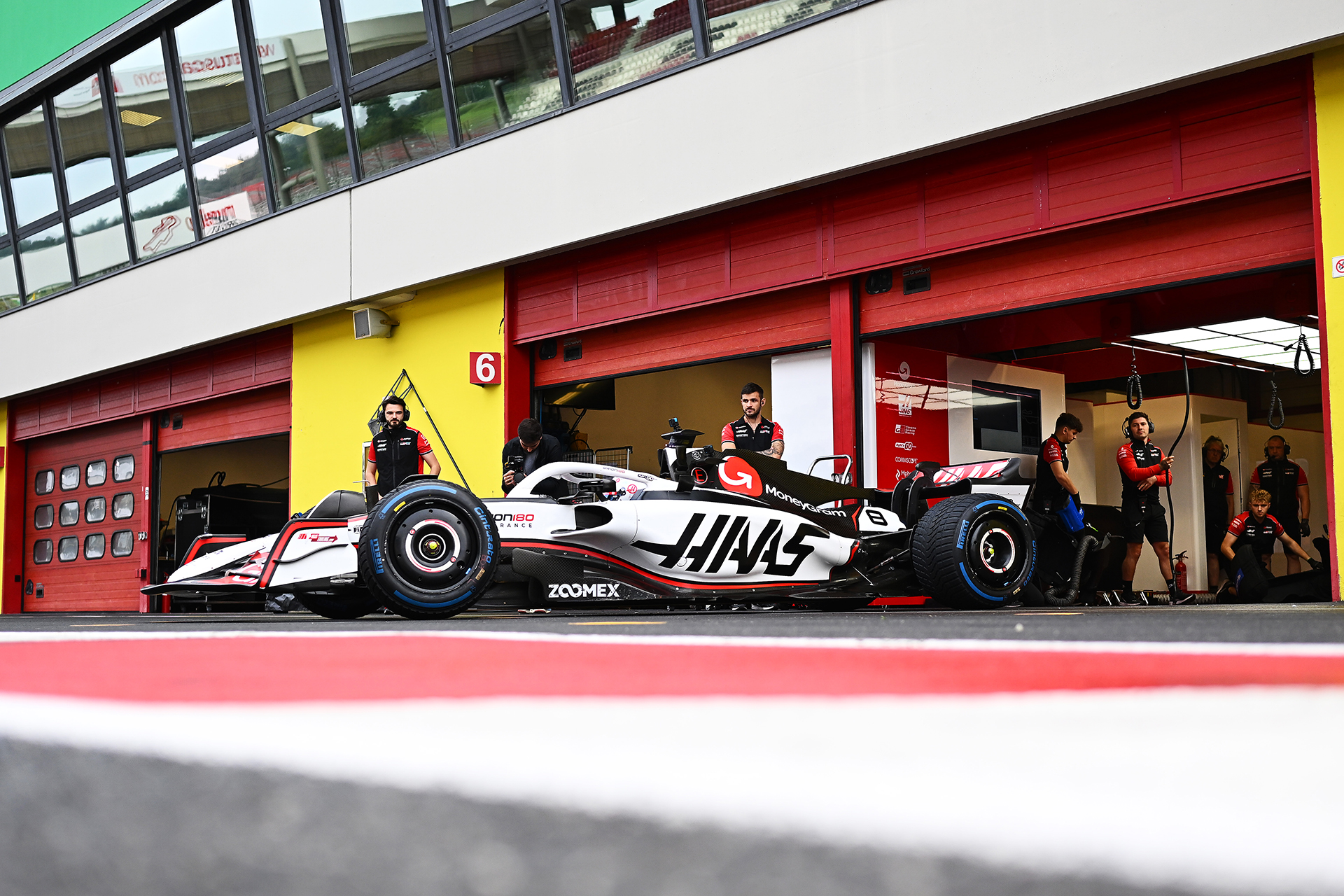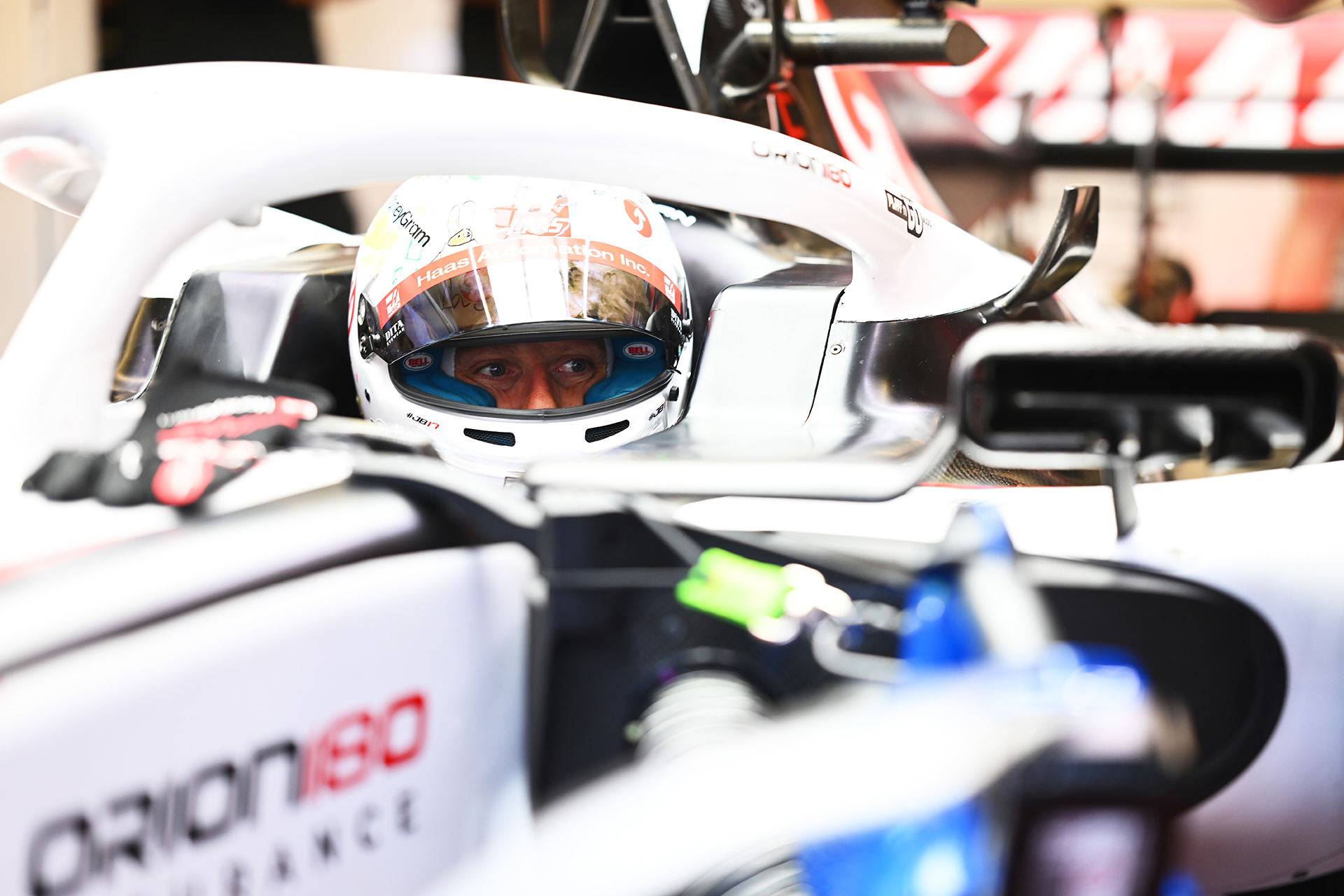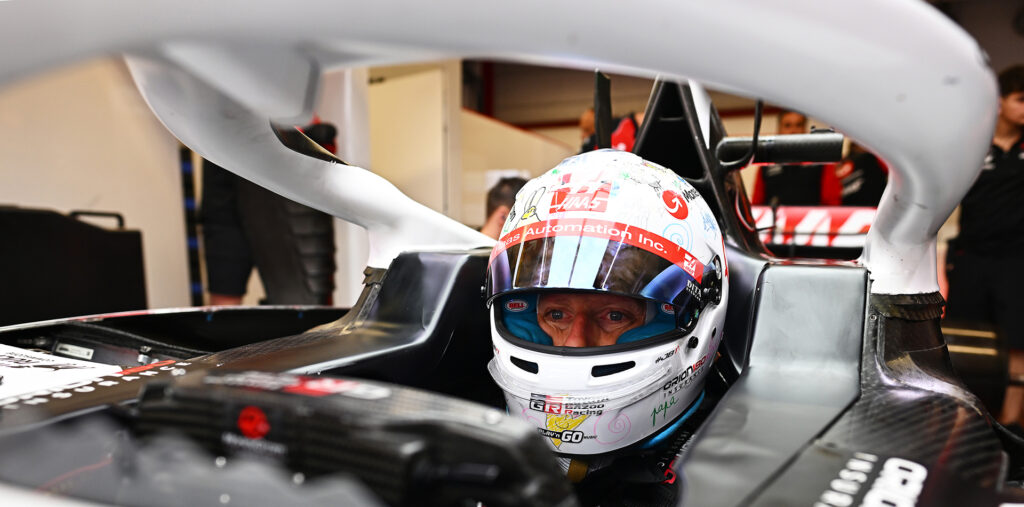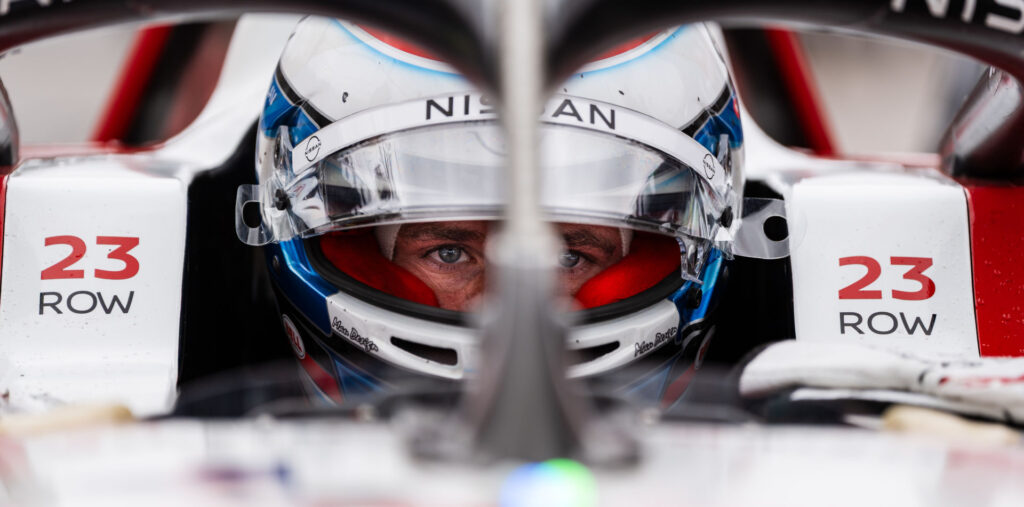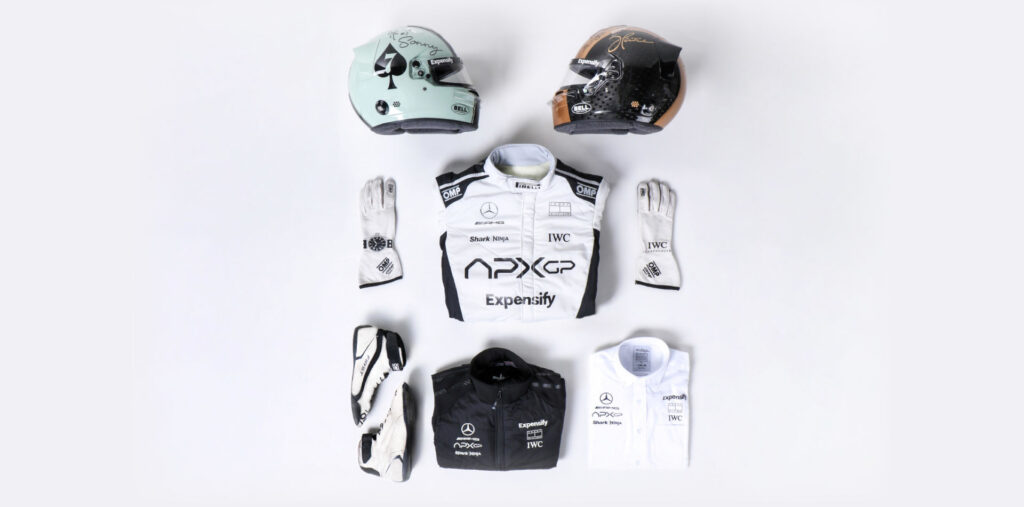


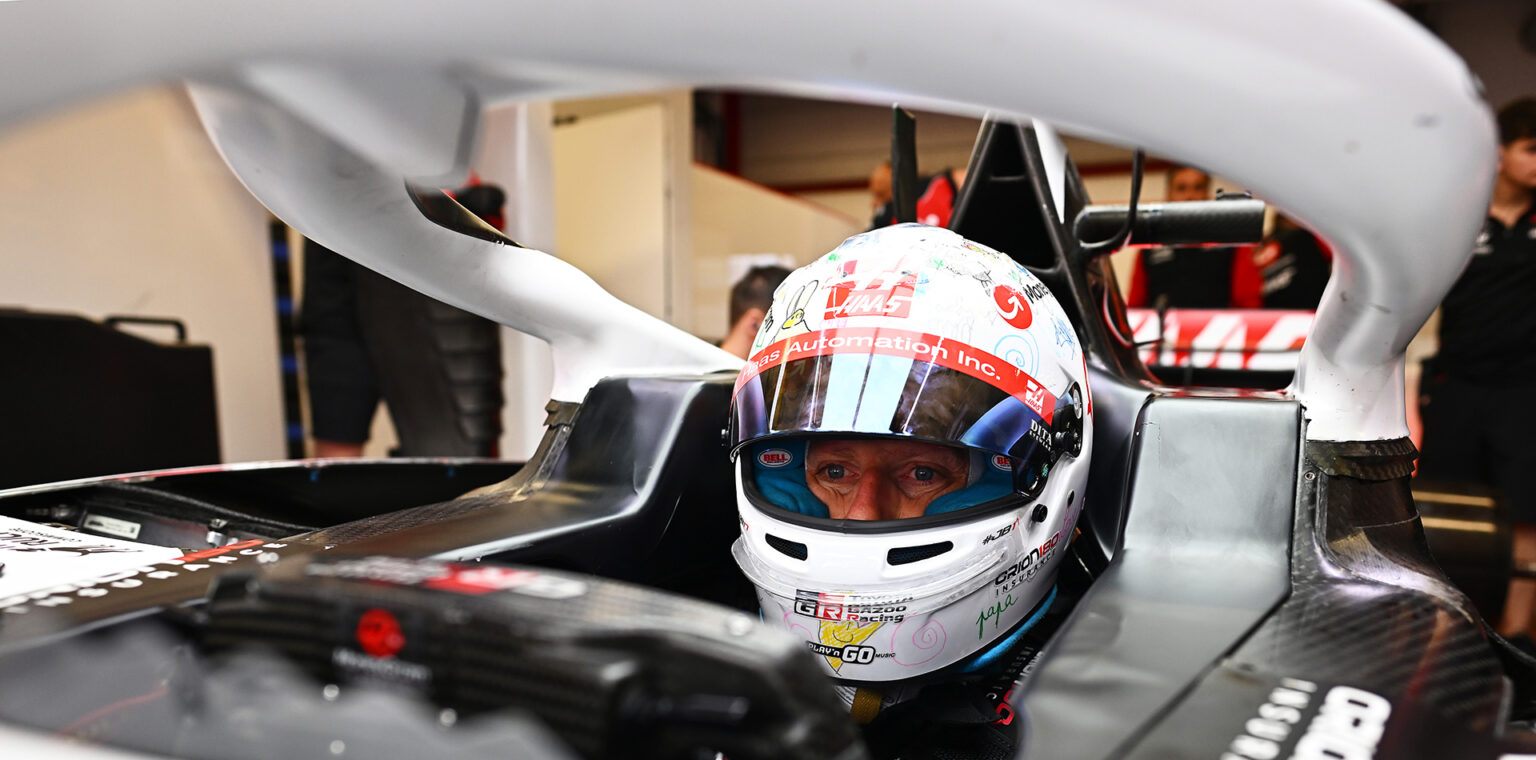
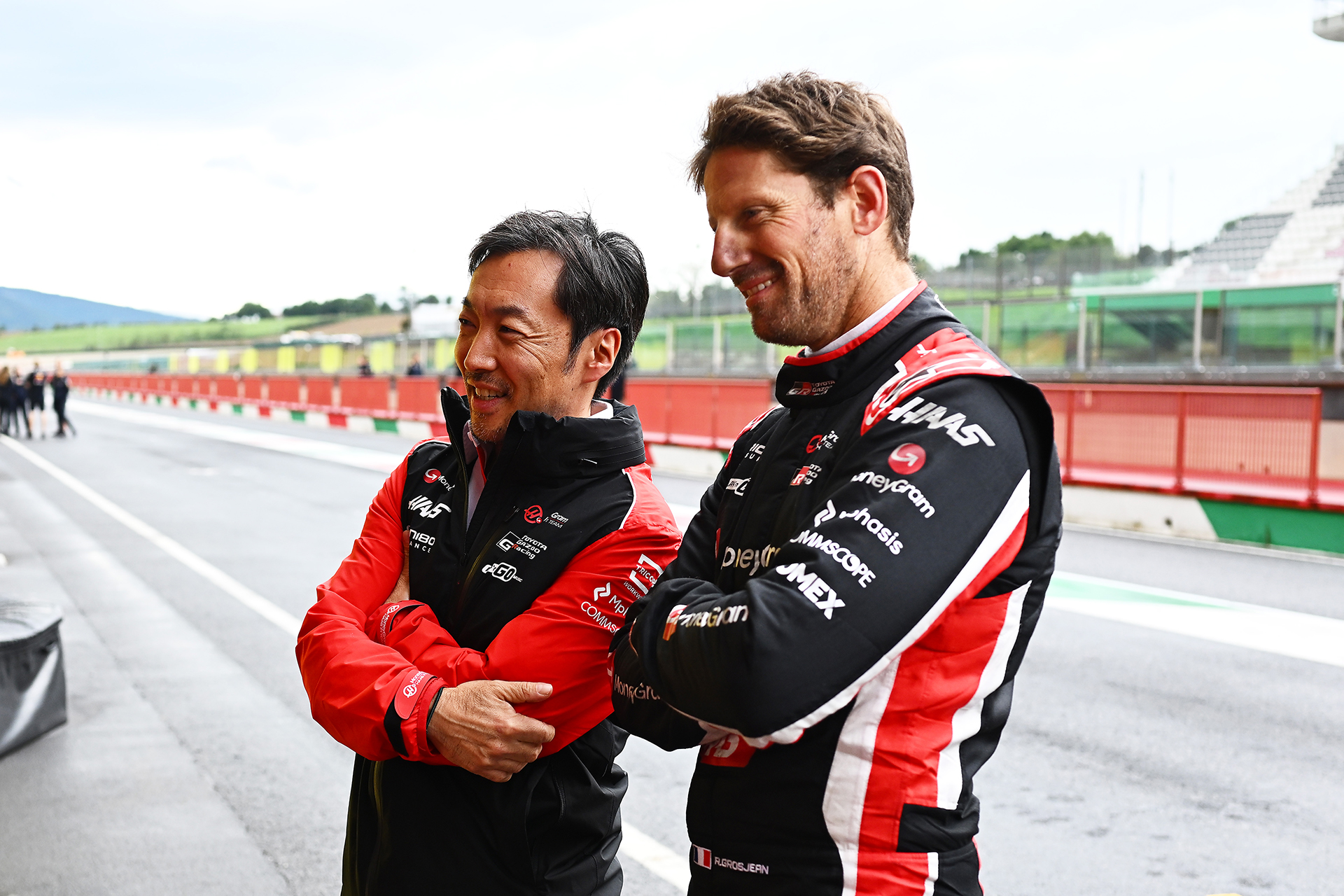
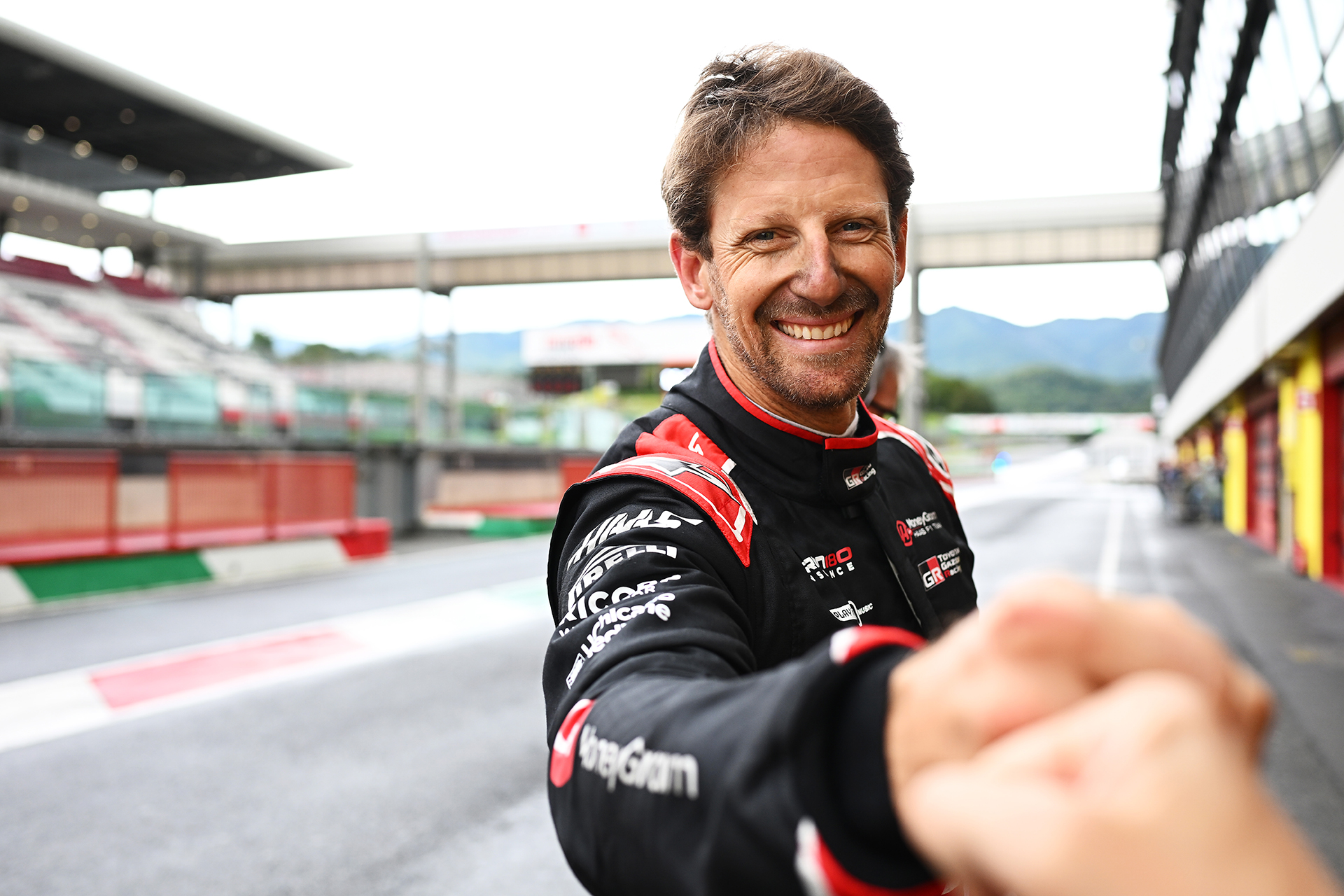
The Mugello circuit, on Friday, September 26th, became the stage for something very special. Romain Grosjean, almost five years after his last time, returned to the wheel of a Formula 1 car. It was the closing of a circle that had remained open since the 2020 Bahrain Grand Prix, when the French driver was involved in one of the most dramatic accidents in recent motorsport history. “I was a bit lost at the beginning, but after the first run I was back to knowing what I was doing. It felt almost like I had never left”, he told us. This time, as it was then – in a dramatic moment and in one of happiness – Grosjean wore a Bell Racing helmet.
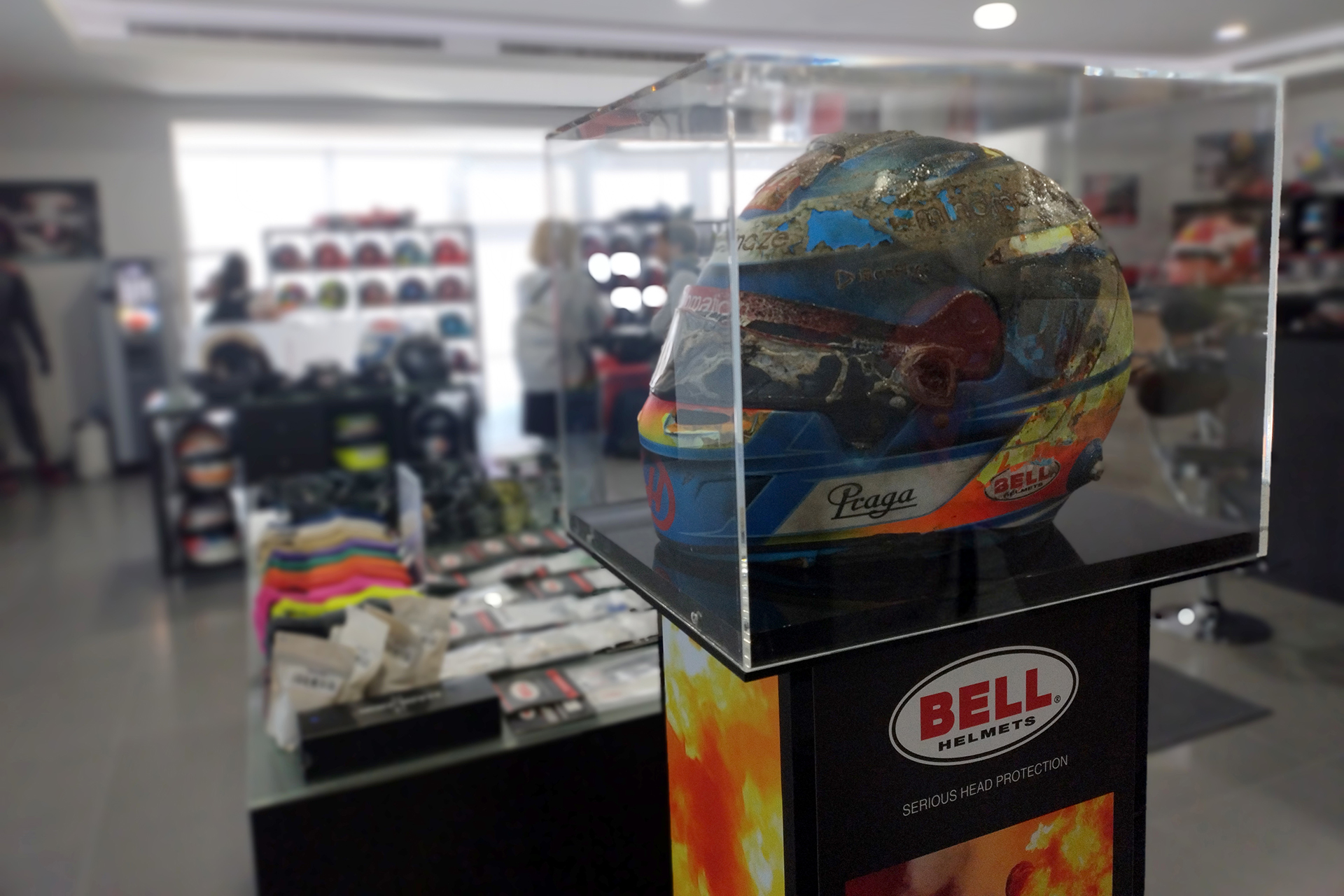
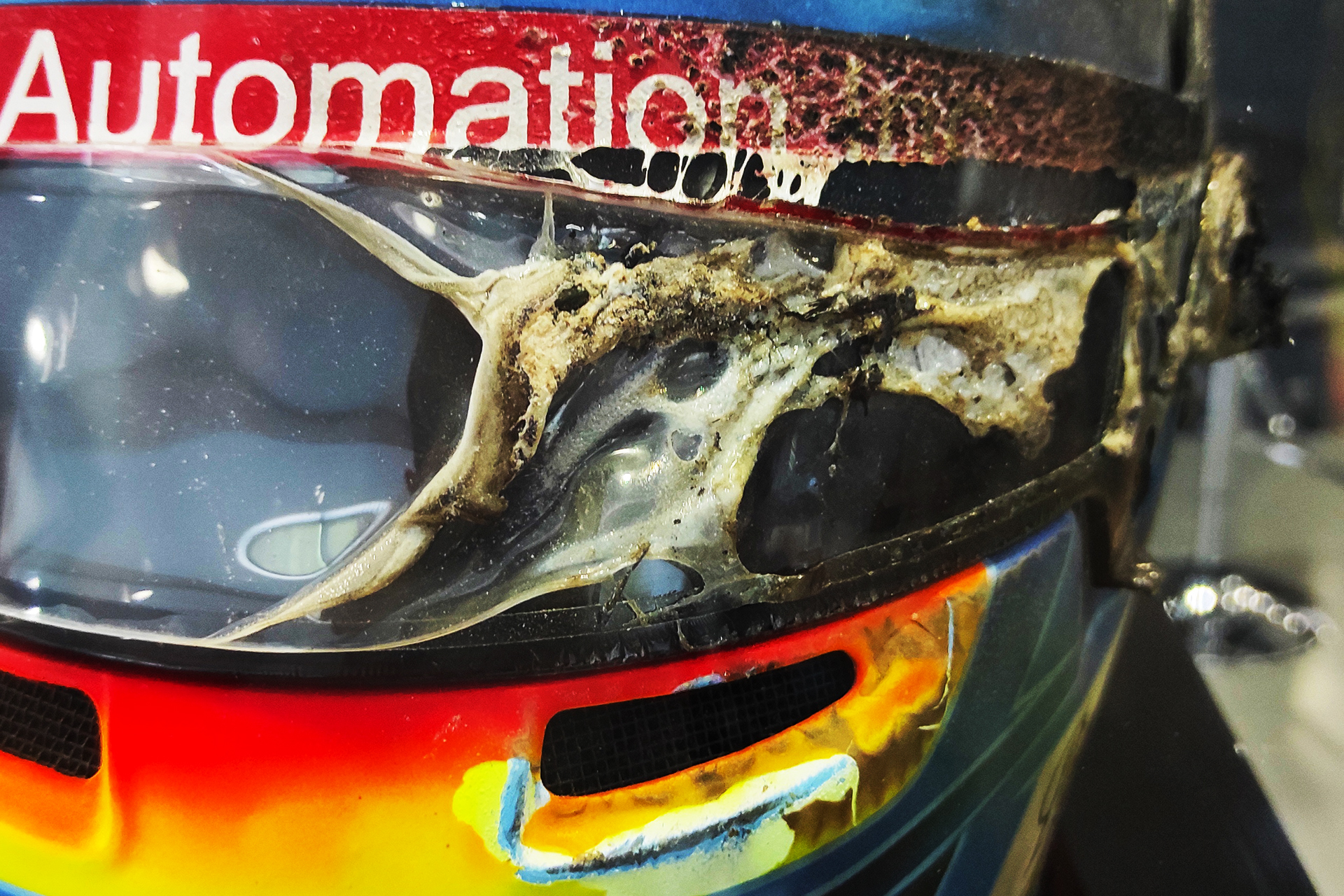
Everyone remembers what happened during the opening lap of the 2020 Bahrain Grand Prix: Romain crashed into the barriers and his car – still full of fuel – became a fireball. He remained into the fire for 28 seconds before being able to escape from the cockpit and be rescued – fighting for his own life. Since then, he became The Phoenix. His HP77 helmet contributed to save him, resisting the heat and preventing him from breathing toxic substances.
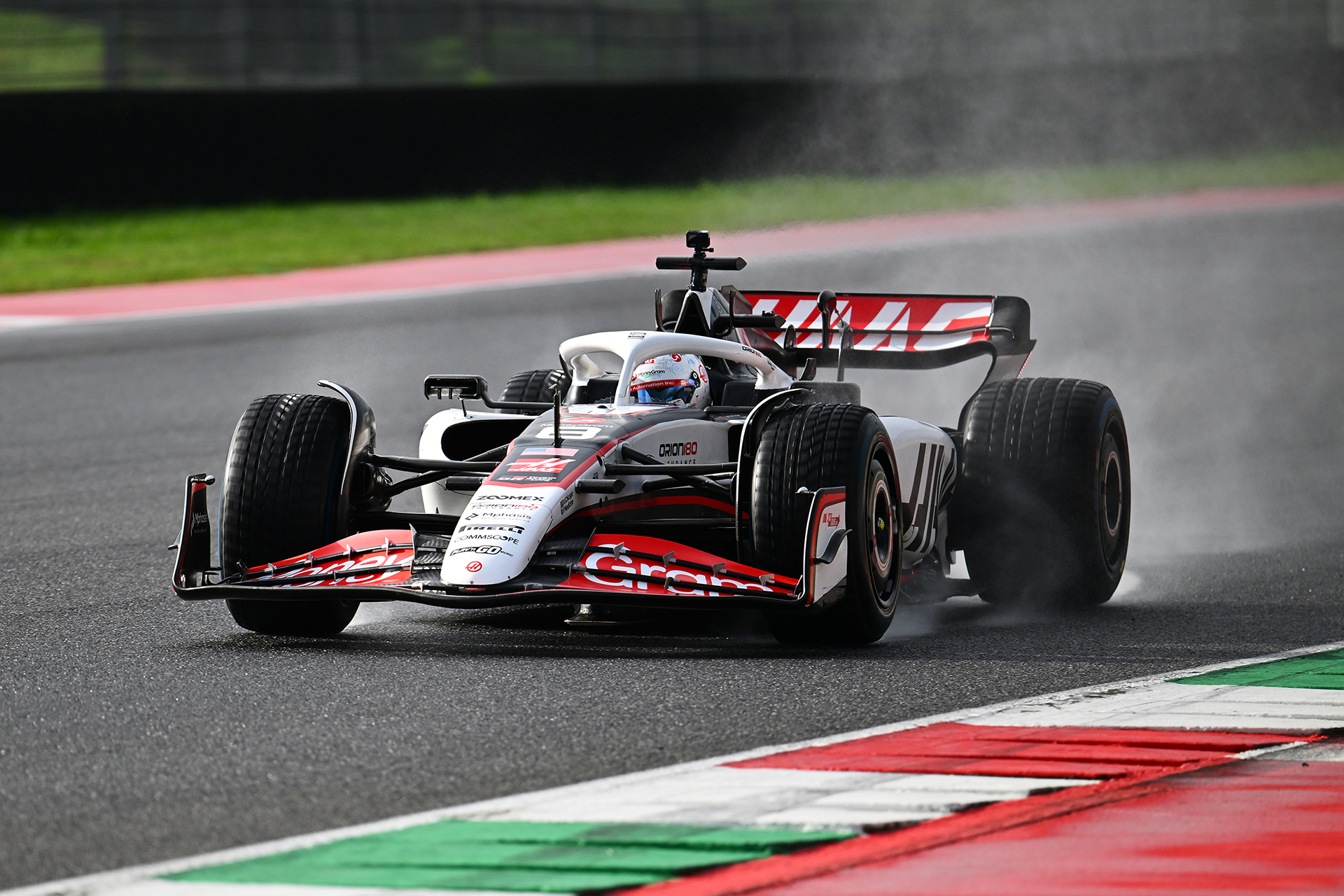

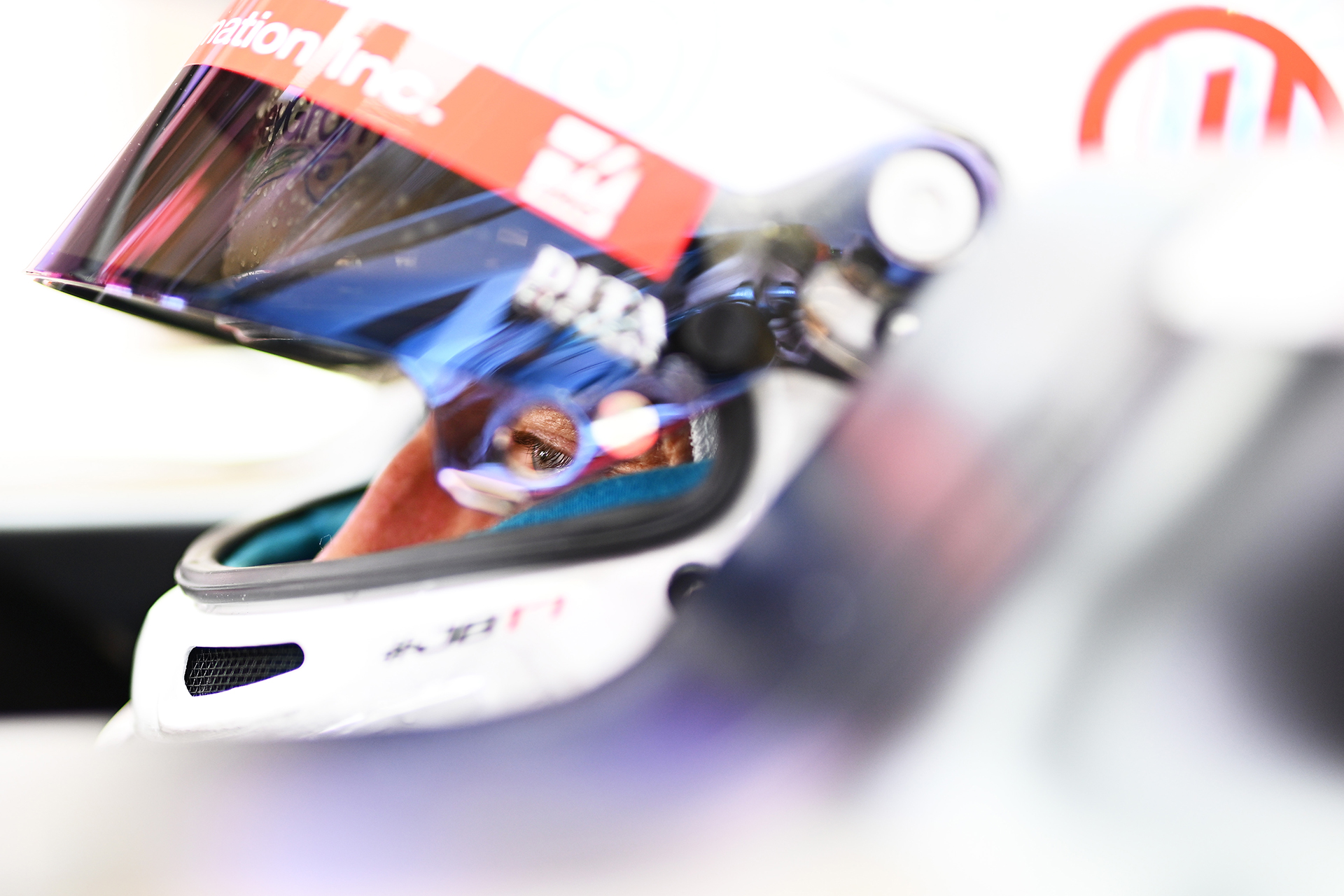
At Mugello Romain hit the track with the custom helmet designed by his children for the 2020 Abu Dhabi Grand Prix – the race that was supposed to be his final F1 appearance, but didn’t happen due to the crash the week before. “It was funny to see the drawings my kids made five years ago, and I’m just happy that the helmet finally did some Formula 1 laps – the way it deserves.”
For Grosjean, the helmet carried a deeper meaning: “It also meant that my kids and my wife were with me. They went through something unique and difficult as well. It was just good that we were all part of racing together that day.”
For many years, Romain has been supported by Bell Racing. “I love the innovation in the helmets – they are always top of the game,” he said. “I think the safety doesn’t need to be proven anymore. My accident in 2020 was crazy, and the fact that I didn’t have any lasting injuries, didn’t lose consciousness, and didn’t suffer burns on my face shows the quality of the products.”
His time after Formula 1, between in INDYCAR and sportscar racing, has allowed him to test Bell Racing equipment in a variety of environments. “I have been racing in different series and the cooling sistem of the helmet, its weight, the quality of the visor, the scan I was lucky to have in Formula 1 makes the fit perfect… so for me – they are definitely the best helmet I could hope for,” Romain insisted.
The experience also gave Grosjean a new perspective, reinforcing his attention to safety. “I went to the Bahrain factory of Bell Racing helmets and I’ve seen the tests, the R&D,“ he shared. “I have been talking quite a bit with a lot of people at Bell Racing throughout my career, and I have always pushed for safety, for what the next step was, and how we could make the helmet better. That’s what you have been doing exceptionally well.”
His focus extends beyond himself, advocating for all racers around the world to use the proper equipment required. “The helmet clearly saved my life – and it has saved many others too.”
Ultimately, Grosjean’s return at the wheel of an F1 car – wearing a helmet that symbolizes both resilience and family – stands as a powerful testament to the advances in modern safety technology. His journey highlights the crucial role Bell Racing continues to play in motorsport. For Grosjean, the Mugello test wasn’t just about speed: it was a statement of strength – and a reaffirmation of his trust in the gear that protects him. “Your life has no price and you should definitely wear what is necessary to be worn,” he concludes.